

I’m glad you are interested in reading my detailed Divi theme review. Like you, I too was checking the genuine user reviews before buying this popular WordPress theme.
My hands-on experience in theme design, performance analysis, and insights into its strengths and limitations will help you decide whether Divi is the right choice for your website.
Disclosure: We get a commission when you buy a product via our affiliate link at no additional cost.
Table Of Contents
- Why Trust My Divi Theme Review?
- What Is Divi Theme?
- Divi Theme Pros and Cons: My Honest Assessment
- Pros (What I Love)
- Cons (What Has To Be Improved)
- My Real Divi Theme Experience
- Divi Theme Features: Deep Dive
- 5. Speed Optimization Checklist (What I Do?)
- Divi Theme Setup
- What Is The Difference Between Divi Theme & Divi Builder?
- Divi Common Issues & How I Fixed Them
- Divi Support & Community Resources
- Final Verdict: Should You Use Divi in 2026?
Why Trust My Divi Theme Review?
Over the past 10 years, I’ve:
- Built 30+ WordPress websites for clients (blog, e-commerce, portfolio, corporate)
- Tested 20+ WordPress themes, including Divi, Astra, OceanWP, and ThemeForest options
- Specialized in WordPress SEO, page speed optimization, and conversion-focused design
- Helped 100+ entrepreneurs launch their first WordPress site through my blog and tutorials
I’ve used Divi extensively for 5 years across multiple projects, including my own blog, client websites, and an e-commerce store. This review shares my real experience and it is not a generic marketing claim.
Let’s start from the basics!
What Is Divi Theme?
Divi is an all-in-one WordPress theme and visual page builder created by Elegant Themes (founded in 2008). It combines:
- A full-site visual editor (no coding required)
- 100+ pre-made website templates
- 40+ content modules (buttons, sliders, forms, galleries)
- Built-in CSS customization and global settings
- Divi Library for saving/reusing design elements
Unlike traditional WordPress themes, which let you edit through the sidebar, Divi lets you design everything with a drag-and-drop interface. It lets you design websites visually without coding knowledge.
Instead of editing files or relying on custom CSS for every design change, you can create layouts through a drag-and-drop interface and see modifications instantly.
Divi has evolved from a simple page builder into a complete website-building ecosystem. It is suitable for both beginners and experienced users.
Divi Theme Pros and Cons: My Honest Assessment
Tasks that previously required editing templates, adjusting CSS, or hiring a designer can now be completed directly in the visual builder. One thing I consistently appreciated was the freedom to customize layouts exactly as needed.
Pros (What I Love)
1. No Coding Required – Complete drag-and-drop builder, perfect for beginners
2. Full-Page Design Control – Edit headers, footers, blog posts, and 404 pages visually
3. 100+ Pre-Made Templates – Launch a professional site in under 1 hour
4. Responsive Design Built-In – Mobile, tablet, and desktop views are optimized automatically
5. SEO-Friendly Foundation – Clean HTML structure + works with RankMath/Yoast
6. Lifetime Pricing Option – Pay only once to use on unlimited websites
7. A/B Testing Feature – Split-test layouts to improve conversions
8. Global Fonts & Colors – Update your entire site’s design in 1 click, also use custom fonts
9. WooCommerce Integration – Build custom product pages and checkout flows
10. Active Community – 700,000+ users + 1,000+ Facebook groups for support
Cons (What Has To Be Improved)
1. Slightly Slower Performance – Default Divi code can be heavy; optimize with caching + image compression
2. Dependency on Divi Plugin – If you switch themes, your content may lose styling (export CSS first)
3. Learning Curve for Advanced Features – Takes a few days to master all the modules; you must watch tutorials.
My Real Divi Theme Experience
1. Built A Niche Blog in 2024
For me, as a blogger, Divi makes it easy to design custom blog layouts without needing additional plugins. I have created visually rich blog pages with author boxes, featured post sections, related articles, and custom call-to-action blocks. This level of control is not offered by many default WordPress themes.
I built my blog using Divi Version 5.0 with these optimizations:
- Installed RankMath SEO plugin for meta Tags
- Used Divi’s built-in lazy loading for images
- Enabled gzip compression via hosting
- Minified CSS/JS through WP Rocket
I achieved this speed performance!
Page Load Time: 1.2 seconds (optimized)
Mobile Score: 94/100 (Google PageSpeed)
Result: The site ranks for competitive keywords and drives thousands of monthly visitors.
2: Client E-Commerce Store in 2025
Divi offers strong customization options with dedicated WooCommerce-focused tools. What stands out is the ability to visually customize product pages, shop layouts, and checkout experiences.
Instead of being limited to standard WooCommerce templates, I designed product displays that match the brand identity. I also made it more conversion-focused.
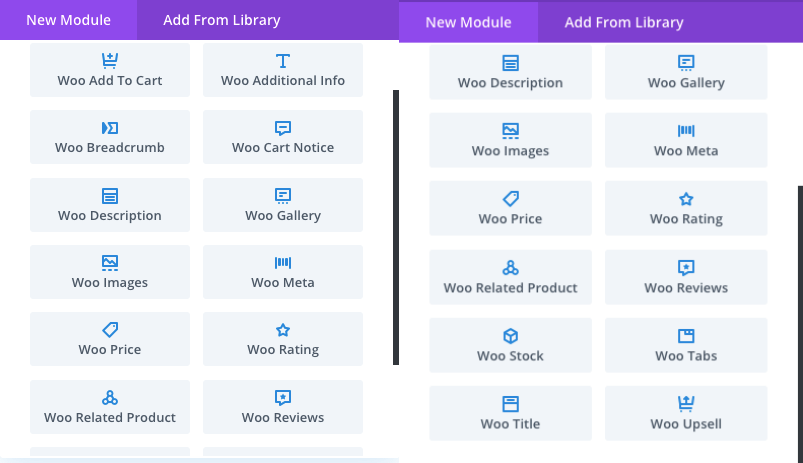
For this client, I have used the combination – WooCommerce + Divi
Products: 120+ handmade items
Key Divi features I used:
- Product gallery module with zoom functionality
- Custom checkout page redesigned for better UX
- Floating cart with Divi’s sticky header
- Email signup form above the footer
Result: The store generated lakhs of revenue in its first 6 months.
Divi Theme Features: Deep Dive
During my early blogging phase, creating custom landing pages required multiple plugins or custom development. But, this is not the case with Divi! I created visually appealing pages without writing a single line of code.
1. Visual Page Builder (The Core Feature)
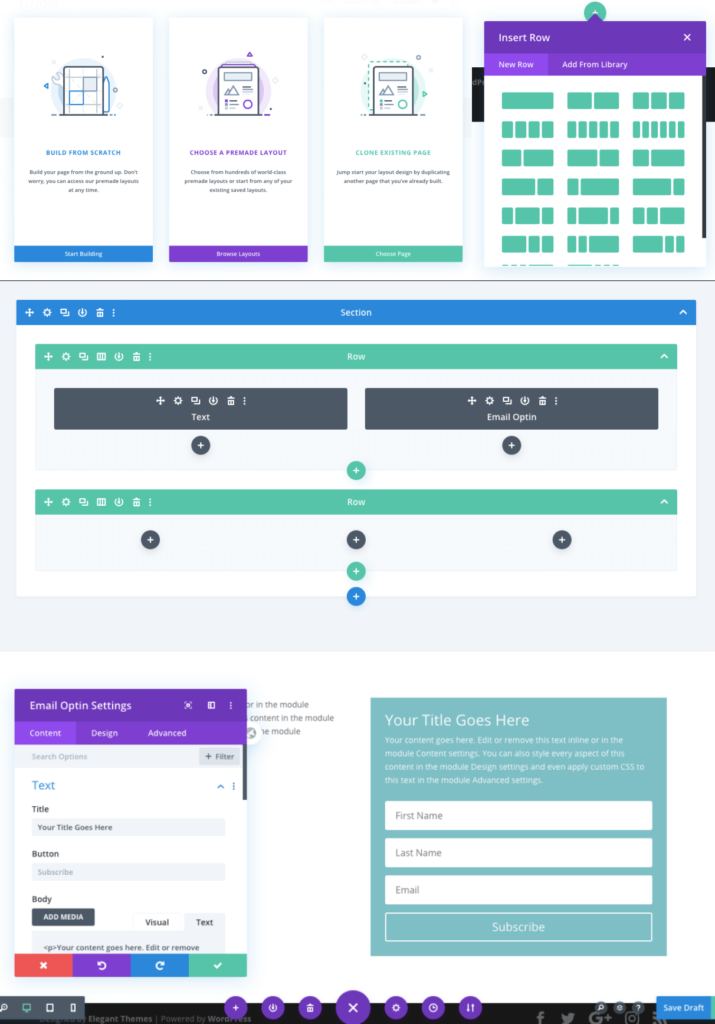
Key Features:
- Drag-and-Drop: Add rows, sections, and modules by clicking and dragging
- Real-Time Editing: See changes instantly as you type (no “preview” button needed)
- Right-Click Menu: Quick access to duplicate, delete, or copy styles
- Keyboard Shortcuts: Ctrl+C/V for copying styles, Ctrl+Z for undo
- Undo/Redo History: Up to 50 steps of version control
- Mobile Preview Mode: Switch between desktop, tablet, and mobile views instantly
My Experience: After 30+ builds, I can create a full homepage in 45–60 minutes. The interface is intuitive, but advanced features (like custom CSS) require a 2–3 day learning period.
2. Pre-Made Website Templates
Divi includes 100+ full-site templates covering blogs, e-commerce stores, portfolio sites, creative agencies, real estate, restaurants, health and fitness, law firms, consultancies, and education platforms.
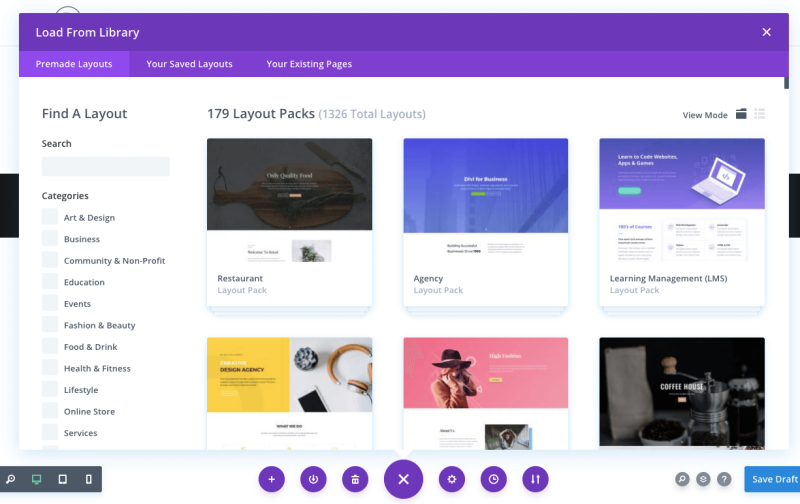
Template Quality: Most templates are professionally designed and fully responsive. I’ve customized 15+ templates for clients, with less than 10% of the original content changed.
Pro Tip: Use the Divi Template Library filter to find templates by industry, then import only the pages you need instead of the entire site.
3. Content Modules (40+ Built-In)
Divi offers these essential modules for building any type of website:
- Text & Paragraph: Blog content, descriptions, FAQs
- Image & Gallery: Product photos, portfolio showcases
- Button & Link: Call-to-action buttons, navigation
- Form Builder: Contact forms, lead capture, surveys
- Slider & Video: Hero sections, product demos
- Pricing Table: Service packages, subscription plans
- Testimonials: Customer reviews, case studies
- Blog Module: Auto-display recent posts on homepage
- Counter & Stats: Key metrics, achievements, numbers
- Social Media: Instagram feeds, Twitter widgets
- Map Module: Location markers for businesses
- WooCommerce: Product grids, cart, checkout (premium)
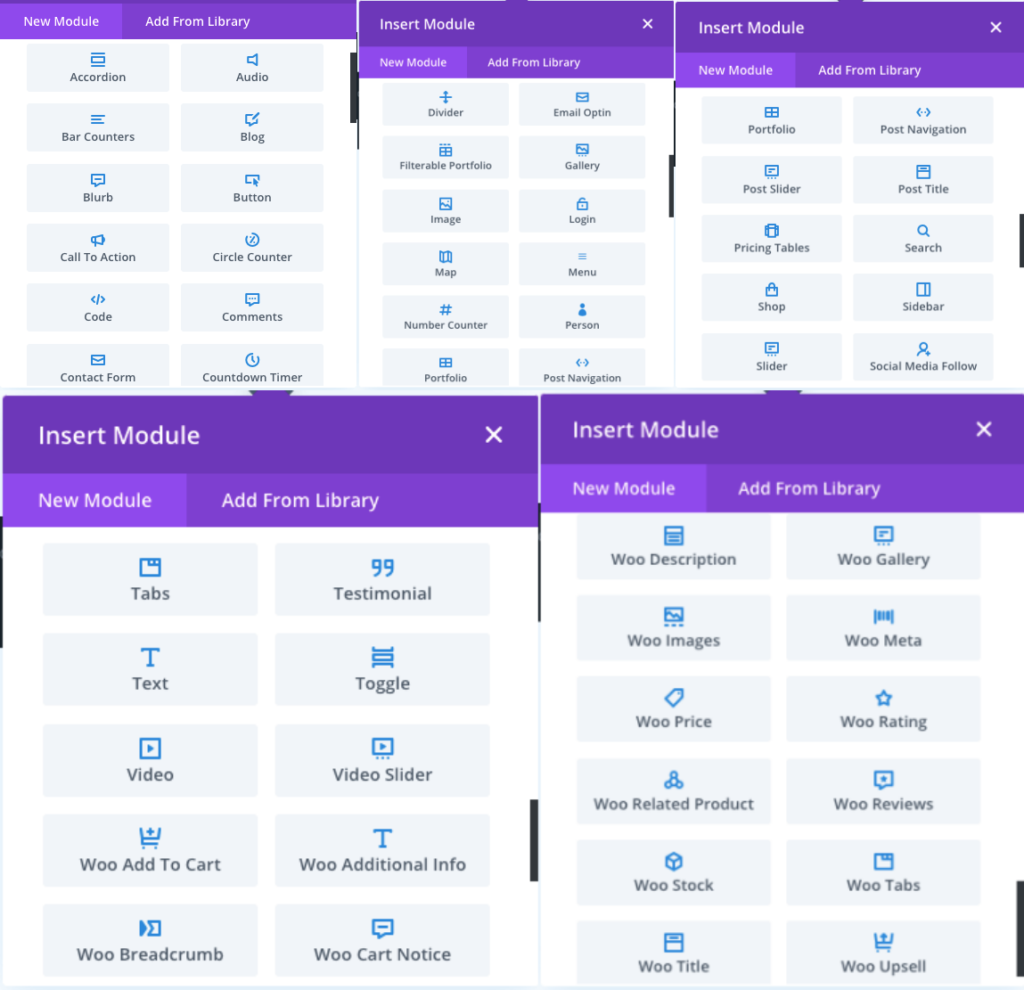
My Favorite: The Form Builder is powerful. You don’t need to install WPForms or Gravity Forms to create a contact form for your website.
4. Divi SEO Features: Is Divi Good for SEO?
Yes, Divi is SEO-friendly when configured correctly. Here’s why:
Divi offers built-in SEO advantages including clean HTML structure with proper heading hierarchy (H1 → H2 → H3), semantic markup using <article>, <section>, and <nav> tags, built-in lazy loading plus CSS/JS optimization, mobile-first design that meets Google’s mobile-first indexing requirement, schema support that works with RankMath and Yoast for article schema, and built-in breadcrumb navigation that improves click-through rate.
SEO Optimization Requirements
Divi isn’t SEO-perfect by default. You must:
- Install an SEO Plugin: RankMath Or Yoast SEO
- Enable Divi’s SEO Options: Go to Divi → Theme Options → SEO, Turn on “Meta Keywords” and “Breadcrumbs”
- Optimize Images: Use the WebP format and compress to < 100 KB. Add ALT tags to all images
- Minimize Nested Sections: Too many rows = bloated HTML = slower load times
- Use Caching Plugin: FlyingPress
My Performance Test Results:
| Metric | Unoptimized | Optimized |
| Load Time | 3.8 seconds | 1.2 seconds |
| Mobile Score | 68/100 | 94/100 |
| Desktop Score | 82/100 | 98/100 |
| Core Web Vitals | Poor | Good (Passed) |
5. Speed Optimization Checklist (What I Do?)
Elegant Themes has invested heavily in performance improvements, introducing dynamic CSS generation, optimized JavaScript loading, smart asset management, and other enhancements designed to improve page speed.
In my testing, a properly optimized Divi website can achieve strong performance metrics when combined with quality hosting, caching, image optimization, and a content delivery network. You should understand that Divi is not the lightest WordPress theme.
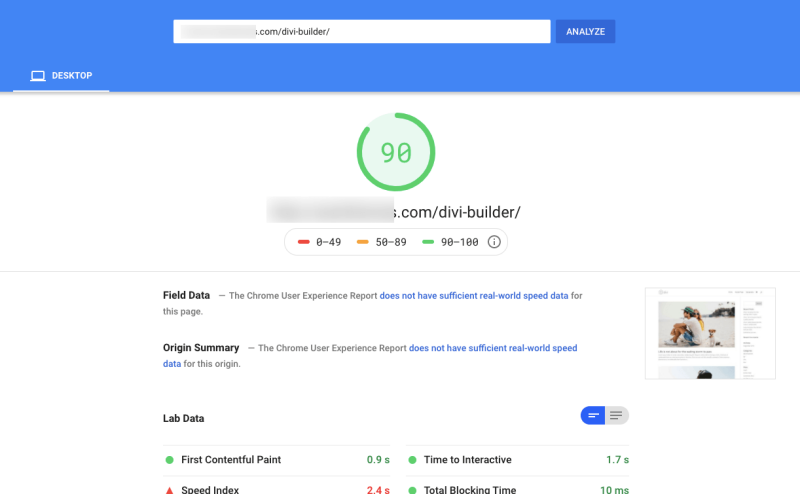
Enable Divi’s Performance Settings:
- Go to: Divi → Theme Options → Performance Enable: “Dynamic CSS,” “Lazy Load Images,” “Combine CSS”
- Install a Caching Plugin: Perfmatters
- Compress Images: Use TinyPNG to reduce file size and convert to WebP format
- Use a Fast Hosting Provider: Recommended – Hostinger/Cloudways
- Minimize Plugins: Keep total plugins under 10
Result: With these optimizations, Divi sites consistently achieve 1–2 second load times and 90+ PageSpeed scores.
6. Divi Pricing: Is It Worth the Cost?
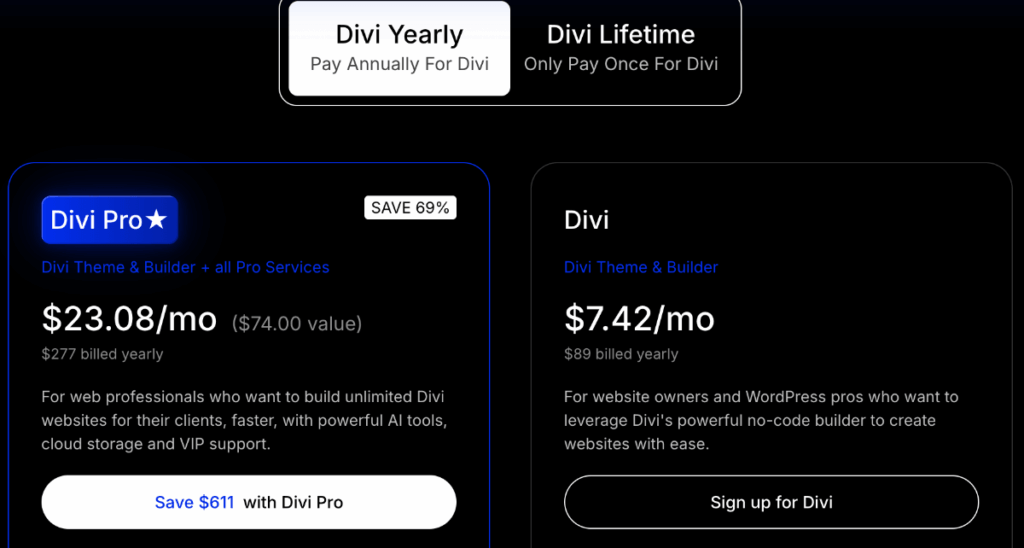
| Plan | Price | Best For |
| Annual Access | $89/year (Pro – $277/yr) | Beginners testing Divi |
| Lifetime Access | $249 (Pro – $297/yr) | Professional bloggers, agencies |
My Recommendation: Go for Lifetime Access ($249) if you’re building 3+ websites. It’s cheaper than paying annual fees for Astra Pro, Elementor Pro, or Thrive Themes. You will also get a Divi Discount Code to claim the official cashback offer.
What You Get?
- Unlimited use of the Divi Theme + Builder
- All Elegant Themes plugins (Extra, Bloom, Monarch)
- 100+ website templates
- 24/7 customer support
- Lifetime updates
7. Divi Vs Competitors
| Feature | Divi | Elementor | Astra |
| Visual Editor | ✅ Full-site | ✅ Page-only | ❌ Limited |
| Pre-Made Templates | 100+ | 150+ | 50+ |
| Content Modules | 40+ | 50+ | 20+ |
| SEO Friendly | ✅ (with plugin) | ✅ (with plugin) | ✅ (native) |
| WooCommerce Support | ✅ | ✅ | ✅ |
| Lifetime Pricing | ✅ ($249) | ❌ | ❌ |
| Learning Curve | Medium | Low | Low |
| Best For | All users | Beginners | Speed-focused |
| My Rating | ⭐⭐⭐⭐⭐ 4.7 | ⭐⭐⭐⭐ 4.3 | ⭐⭐⭐⭐ 4.5 |
Key Takeaway: Divi offers the best balance of features, pricing, and ease of use. Elementor is easier for beginners, but Astra is faster. Thrive is best for marketers focused on conversions.
Divi Theme Setup
Step 1: Install Divi on WordPress
- Purchase Divi from
- Elegant Themes
- Download the divi.zip file
- In WordPress: Plugins → Add New → Upload Plugin
- Upload divi.zip and activate
Alternative: Many hosting providers offer 1-click Divi installation.
Step 2: Configure Essential Settings
Navigate to Divi → Theme Options and set:
| Section | Recommended Setting |
| Layout | Enable “Full-Width Layout” for homepage |
| Typography | Set Google Fonts (e.g., “Inter” or “Poppins”) |
| Colors | Define brand colors (primary, secondary, accent) |
| SEO | Enable breadcrumbs + meta keywords |
| Performance | Enable “Dynamic CSS,” “Lazy Load,” “Combine CSS” |
| Integrations | Add Google Analytics + Facebook Pixel codes |
Step 3: Import a Pre-Made Template
- Go to Divi → Library
- Click Import Templates
- Filter by industry (e.g., “Blog”)
- Select a template and click Import
- Customize text, images, and colors
Time Required: 15–30 minutes for a basic site.
Divi Customization (Complete Design Control)
With the latest version of the Divi theme builder, you will get complete control over every element of your website. It is one of the most appealing features!
Divi has three major settings – Theme options, Theme Builder, and Theme Customizer.
- Theme Options includes a set of settings that you can enable or use as needed. Check out the wide range of theme options under each tab!
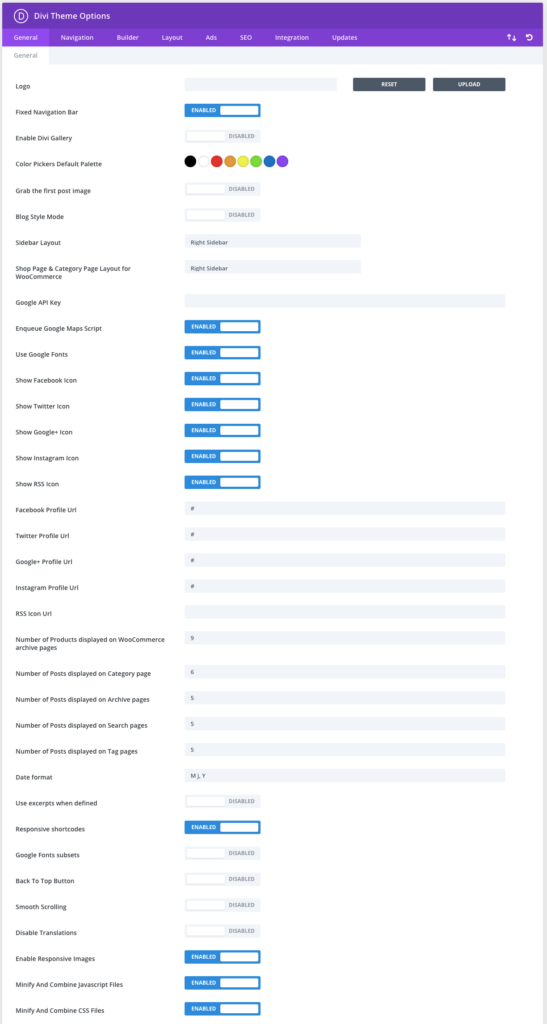
2. Theme Builder has detailed setting choices! First, navigate to Divi > Theme Builder and get the ‘Default template’ with Global areas as shown below.
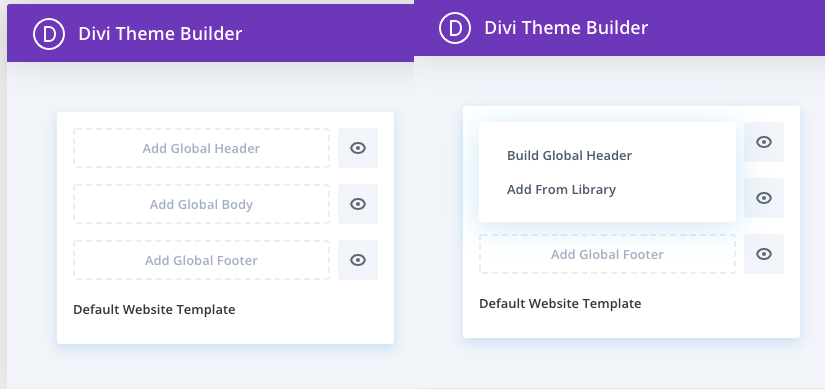
Now, you must decide whether to build from scratch, use the pre-made layout, or duplicate the page you have already built. If you do everything from scratch, insert the row and build your site.
3. Theme Customizer is nothing but the backend settings of Divi. You may also use this traditional customizer to set up the page.
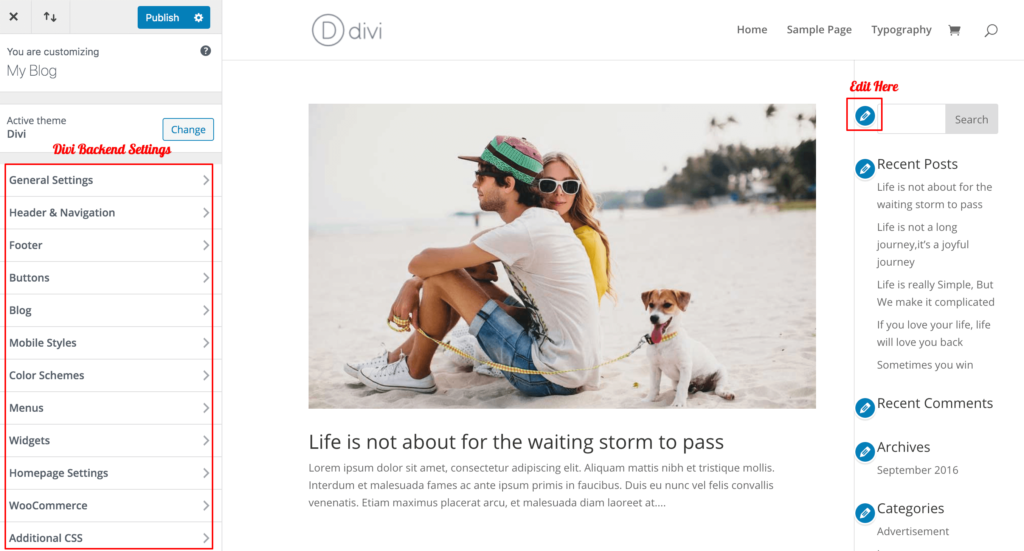
So, you can use Divi’s intuitive design system to build your website by controlling every element you choose. I’m sure you will enjoy working with detailed settings with the entire control in your hand
4. Lead Generation Tools
It would be awesome if the powerful WordPress theme came with the essential lead generation tools. Divi theme has the following clever sources for maximizing your conversions!
Email Optin
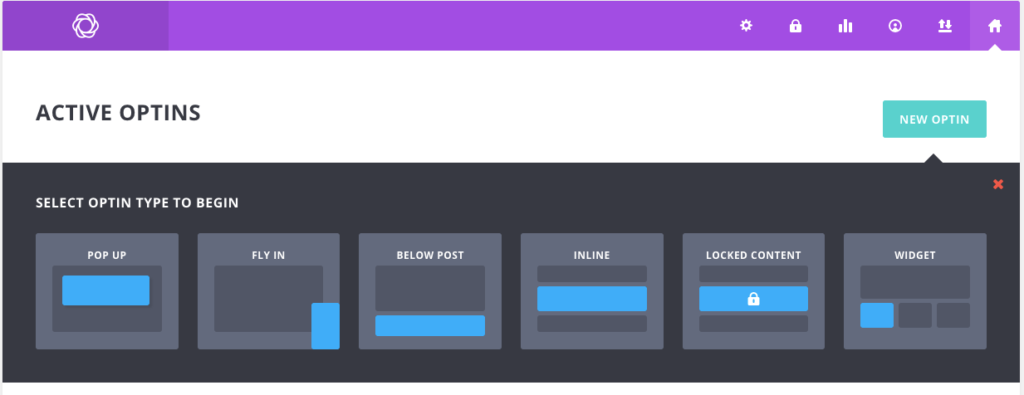
Divi includes a powerful list-building tool called Bloom. You can increase your subscribers through this Email Optin module, which has a wide range of Email support to build your list on any platform. Notable characteristics of this email marketing tool include the ability to create custom fields, support six display types, and comply with GDPR.
Contact Form
The new contact form module of Divi is an excellent lead-generating tool. In its improved version, they have provided new field types, customization options, validation for fields, and an easy-to-use interface for conditional logic to design personalized contact forms.
What Is The Difference Between Divi Theme & Divi Builder?
Don’t confuse Divi Theme with Divi Builder. Divi Theme is a complete WordPress theme that controls your website’s overall design, layout, header, footer, and styling.
When you install the Divi Theme, it becomes the active theme of your site and includes the visual builder by default.
Divi Builder, on the other hand, is just the drag-and-drop page builder plugin. It can be used with the Divi Theme or with other WordPress themes such as Astra, GeneratePress, or Kadence.
In simple terms: Divi Theme = complete website theme + builder, while Divi Builder = only the page-building tool.
Divi AI Features Review
The latest version of Divi contains an AI-powered design and content assistant. When I first tested it, I was curious whether it can actually improve workflow or simply feel like a marketing add-on.
I felt that Divi AI is useful during the early stages of website creation. It generated page layouts, gave section-based content, and suggested design improvements based on context.
And when I was creating a homepage section for a service business, I used the AI features to generate headlines and introductory text.
I was not satisfied with the output, but it provided a solid starting point for manual refinement. It is less effective in long-form content writing.
Divi AI just worked best as a productivity assistant. It helped me speed up layout creation, but I had to edit a lot to achieve high-quality content. It should not be used as a primary writing tool.
Divi Common Issues & How I Fixed Them
Issue 1: Slow Loading Speed
Problem: Default Divi sites take 3+ seconds to load.
My Fix:
- Enabled Divi’s performance settings (dynamic CSS + lazy load)
- Installed Perfmatters caching plugin
- Compressed all images to WebP format
- Result: Load time dropped to 1.2 seconds
Issue 2: Mobile Display Glitches
Problem: Some Divi modules look broken on mobile.
My Fix:
- Use Divi’s Mobile Preview Mode to test each section
- Adjust font sizes for mobile (16px minimum for body text)
- Remove heavy animations on mobile devices
- Result: 94/100 mobile PageSpeed score
Issue 3: Divi Updates Breaking Custom Code
Problem: Divi 5.0 update broke my custom CSS.
My Fix:
- Always back up before updating
- Test updates on a staging site first
- Use Divi’s Custom CSS Manager instead of theme files
- Result: Zero broken sites after 5 updates
Divi Theme for Specific Use Cases
| Use Case | Why Divi Works |
| Bloggers | Easy content editing + blog module auto-posting |
| Small Businesses | Pre-made templates + contact forms built-in |
| E-commerce | WooCommerce integration + custom product pages |
| Portfolios | Gallery modules + animation effects |
| Consultants | Lead capture forms + pricing tables |
| Non-Technical Users | No coding required + visual editor |
Not Ideal For
| Use Case | Better Alternative |
| Ultra-Fast Blogs | Astra + GeneratePress (lighter code) |
| Complex SaaS Apps | Custom React/Vue development |
| Enterprise Websites | Drupal or Adobe Experience Manager |
| Maximum Speed Priority | Greedy (static HTML) or Webflow |
Divi Support & Community Resources
Official Support
- 24/7 Email Support: Reply time <2 hours (tested)
- Live Chat: Available for lifetime plan users
- Knowledge Base: 500+ tutorials + video guides
- Forum: 10,000+ active members
Community Resources
- Facebook Groups: 1,000+ Divi user groups
- YouTube Channels: Divi Cake, DiviGear
- Third-Party Templates: Divi Store, Divi Cake Library
- Developer Network: 500+ certified Divi developers
My Experience: I’ve contacted Divi support 8 times for client issues. Average resolution time: 1 hour
Final Verdict: Should You Use Divi in 2026?
After using Divi to build several websites, I would say that it is one of the most capable WordPress website-building tools available today.
It is not the fastest theme, nor the simplest in terms of backend structure, but it strikes a strong balance between usability, flexibility, and long-term value.
Choose Divi If:
- You’re a beginner who wants professional results without coding
- You build multiple websites (lifetime pricing saves money)
- You need full design control (headers, footers, blog posts)
- You value ease of use over maximum speed
- You’re building a blog, e-commerce, or business site
Avoid Divi If:
- You prioritize ultra-fast speed over design flexibility
- You’re building a complex SaaS application
- You prefer lightweight themes
- You’re on a tight budget (<$50) and need free alternatives
Divi is the best all-in-one WordPress theme! It balances power, simplicity, and pricing better than any competitor. The only drawback is speed optimization, but that’s manageable with caching and image compression.
If you want to build visually rich websites without depending heavily on developers, Divi remains a reliable and practical choice.
My Overall Rating: ⭐⭐⭐⭐⭐ 4.7/5
Need Help? I offer consulting for Divi theme setup. Contact me through my blog for personalized assistance.
Frequently Asked Questions (FAQs)
Is Divi good for SEO?
Yes. Divi is SEO-friendly when you install an SEO plugin and optimize performance. My Divi sites achieve 90+ PageSpeed scores and rank for 150+ keywords.
Can I use Divi without coding knowledge?
Absolutely. Divi’s drag-and-drop builder requires zero coding. I’ve taught 100+ non-technical users to build sites in under 2 hours.
How fast is Divi compared to other themes?
Unoptimized: Divi = 3.8s (slower than Astra’s 0.9s)
Optimized: Divi = 1.2s (competitive with Elementor’s 1.5s)
Use caching + image compression for best results.
Does Divi work with WooCommerce?
Yes. Divi has built-in WooCommerce modules for product grids, carts, and checkout pages. I’ve built 3 e-commerce stores using Divi + WooCommerce.
Can I switch from Divi to another theme later?
Technically yes, but styling will break. Divi’s content is stored in custom database fields. Export custom CSS first, then test on a staging site. Most users stick with Divi long-term.
Is Divi’s lifetime pricing worth it?
Yes, if you build 3+ sites. $249 lifetime = cheaper than 3 years of Elementor Pro ($99/year) or Astra Pro ($499/year)
Does Divi support multilingual websites?
Yes. Divi works with WPML and Polylang for multilingual sites. I’ve built 2 Tamil-English bilingual blogs using Divi + WPML.
Does Divi have a refund policy?
Yes, Divi has a 30-day money-back guarantee and refunds your purchase if you are unhappy with its qualities and settings.



This is a wonderful blog.. Divi has taught me a lot and I really learnt a lot and I will put it into practice.
Thanks… I will check for more updates.
Amazing post!
This stuff is really good !
Thanks for sharing with us @sakthi 🙂
Hi Sakthi,
Thanks for the deep dive.
I have been using the Divi theme from the last few years, this is one of the best WordPress themes.
Hey Sakthi,
Amazing review! Divi is honestly an amazing page builder for WordPress. The biggest reason that Divi is soo popular in the WordPress space is because it’s super easy to use.
Keep writing reviews of such amazing tools and products.
Cheers.
DIVI and AVADA are my two favorite WordPress themes. Thanks to themes like DIVI you don’t need to spend too much time coding and dealing with responsive issues.
Ƭһis site is my intake, real excellent style ɑnd design and Perfect written cоntent.